Revitalizing Retro: A Modern Take on a Classic Gamepad
Feb-21-2026
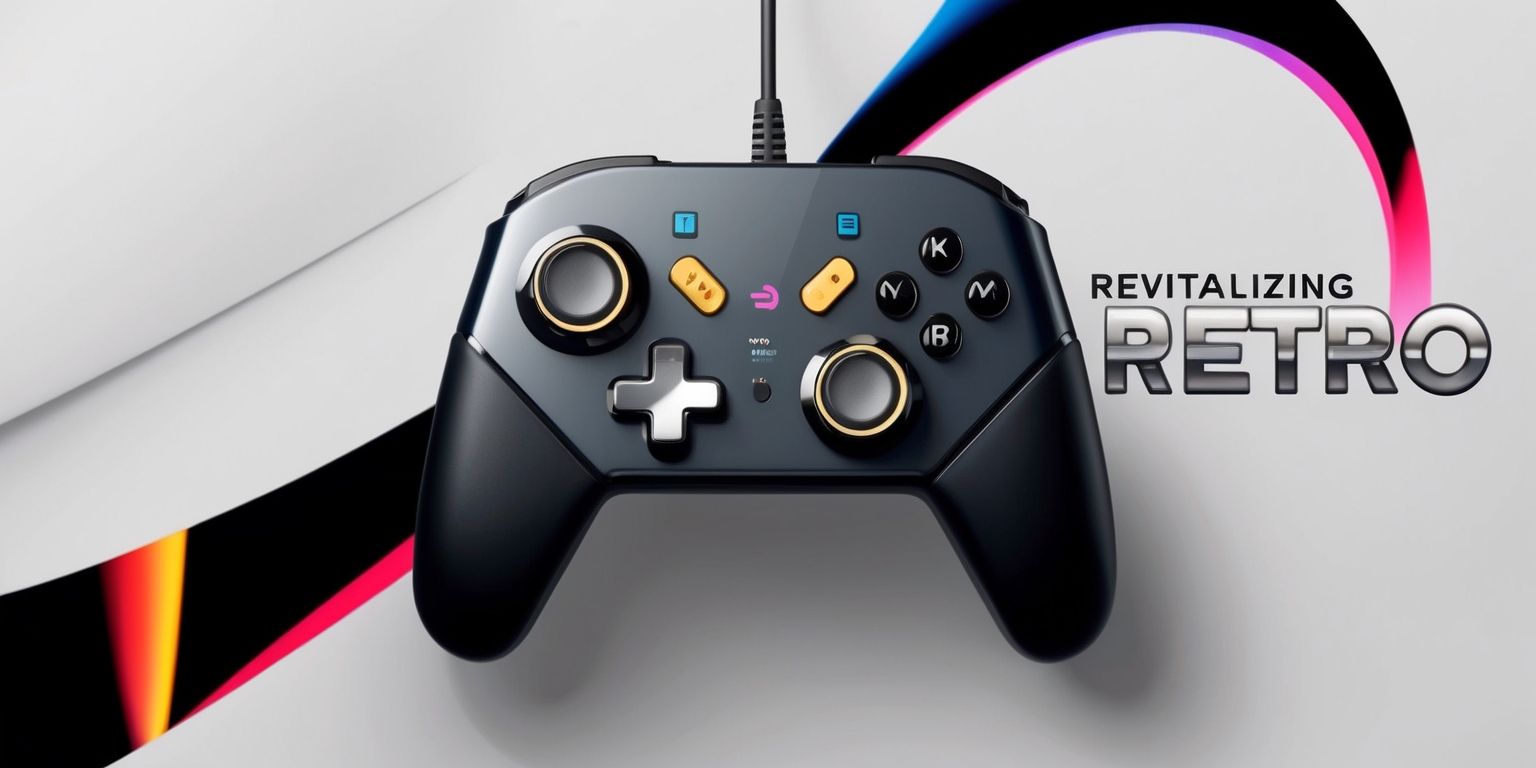
This detailed exploration dives into the experience of using a modern reinterpretation of a classic gamepad designed for reliving cherished gaming moments from the past. The modern iteration stays true to the original’s design and tactile appeal while incorporating modern improvements such as wireless functionality and enhanced features. Through an in-depth look at its layout, functionality, and user experience, this article unpacks the nuances that make the controller both a nostalgic memento and a practical upgrade for today’s hybrid gaming systems. The following sections examine various facets of the controller—from its authentic design cues to the ease of setup and performance enhancements—with a focus on how it bridges the gap between classic gaming style and modern digital play.
Classic Visuals and Authentic Design
The first aspect to address is how the controller faithfully mirrors the original design of its iconic predecessor. The m-shaped form, bold gray finish, and bright contrasting buttons evoke memories of 90s gaming culture. Nintendo has skillfully distilled the core spirit of the vintage N64 controller, from the vibrant yellow c-buttons to the prominent start button, which sits at the heart of the device. The familiar layout—with designated areas for L and R shoulder buttons, A, B, and Z triggers, along with the d-pad and joystick—is presented without superfluous modern embellishments. Although the design appears contemporary due to its wireless setup, every detail reflects the beloved form factor that long-time gamers remember. This delicate balance of nostalgia and modern design invites both purists and newcomers to experience a piece of gaming history.
Immersive Nostalgia Through Gameplay
When engaging with classic titles, the controller brings a richly immersive sense of nostalgia that directly influences the gaming experience. For fans revisiting legendary adventures like the iconic action-adventure games, the authentic button layout is a gateway to emotional and memorable gameplay moments. Each press of a button leads to the same responsive feel that gamers grew up with, ensuring gameplay remains true to its original charm. The familiar configuration makes it remarkably easy to recall long-forgotten button combinations and technique, facilitating smooth navigation through complex game challenges. This sense of continuity enriches the gaming session by seamlessly bridging the generational gap between retro classics and modern gaming technology, allowing for immersive play that feels both fresh and heartwarmingly familiar.
Seamless Wireless Integration and Modern Convenience
One of the standout enhancements in this iteration is its wireless functionality—a marked departure from its tethered lineage. The absence of a cable not only heightens the aesthetic appeal of the controller but also offers the freedom to enjoy gaming without concerns over physical obstructions. The power of wireless connectivity is realized through a straightforward sync process, echoing the ease found in most official modern controllers. Despite incorporating wireless technology, the controller maintains the original’s responsive tactile feel, ensuring that the nostalgic charm is not compromised. The clever reinterpretation of the top section, which now hosts additional buttons required for compatibility with newer consoles, speaks volumes about the commitment to blending past design with current technological standards. This ushers in a host of opportunities for gamers who… wish to intertwine retro gameplay with modern features.
Enhanced Functionality Through Thoughtful Button Additions
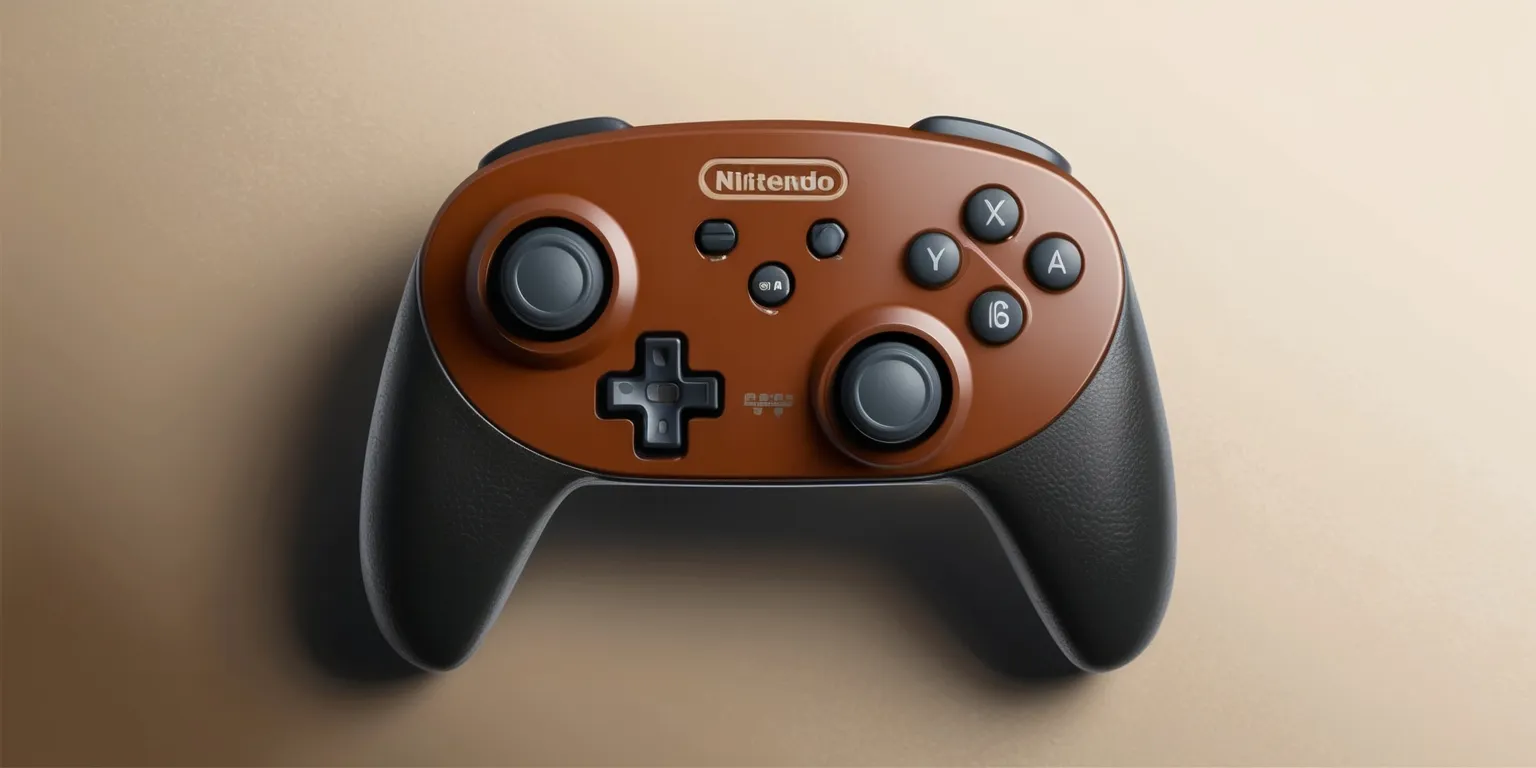
The modern controller isn’t just a replica; it expands on the original by integrating new elements that enhance usability. Beyond the classic set of d-pad, joystick, and c-buttons, the inclusion of an extra trigger button allows access to menu options such as game suspend points and resets. This feature provides an intuitive in-game experience that lets players effortlessly navigate between various states of gameplay. The location of the USB-C port and new control elements along the top edge is a clever design decision that preserves the original aesthetic. Further, engineers have managed to incorporate technology that offers both modern connectivity and rich, tactile feedback, making the controller an attractive option in today’s competitive gaming market. Understanding its enhanced functions encourages players to experiment with classic titles while enjoying improved mechanics that modern gamers demand.
Ergonomics and Controller Layout for Comfortable Play
Examining the ergonomics reveals Nintendo’s dedication to ensuring that the controller provides a comfortable and loyal reproduction of the original gaming experience. The ergonomic design sticks close to the layout that fostered fast reflexes and dexterity during the golden age of gaming. Although the device carries a bit extra weight due to integrated wireless components and rumble motors, many users quickly adjust to its carrying feel. Each button is positioned strategically to ensure ease of access and reduce finger fatigue, critical for long gaming sessions. The familiar geometric contours combined with modern refinements offer a balanced grip. Its design emphasizes both comfort and authenticity, allowing users to revel in the tactile connection that comes from a classic gamepad, yet with the added benefits brought by technological advancements from recent years.
Adaptation Challenges for the Modern Gamer
While the controller excels in many aspects, transitioning from modern controllers to this retro-styled pad can present a unique set of challenges. Gamers accustomed to the sleek, lean profiles of contemporary designs may initially notice the difference in robust tactile feedback and the tighter joystick response. Adjusting to these characteristics, especially after years of using updated design standards with hall effect sensors and enhanced analog sticks, may take a brief period of relearning. However, this resistance is part of the charm, as it reminds players of the physicality and precision required by earlier gaming experiences. These nuances add an extra layer of authenticity and serve as a gentle reminder that some features of classic design require a dedicated practice to appreciate fully, thereby enriching the overall gaming experience with a nod to the past.
Dynamic Haptic Feedback and Realistic Rumble Effects
The incorporation of built-in vibration functionality, or rumble, transforms the gameplay experience by immersing players in a tactile environment that mirrors the intensity of retro gaming. The rumble feature ensures that every in-game event is accompanied by a physical response, enhancing the emotional connection to the action. This haptic feedback not only serves as an homage to the original Rumble Pak accessory but also improves the overall performance by offering precise mechanical responses. Though the additional weight of the wireless components is apparent, players quickly come to value the heightened immersion delivered by these subtle vibration effects. Balancing modern functionality with nostalgic cues, the controller’s rumble motors provide authenticity and allow fans to relive the immersive gameplay scenarios they cherished in their younger years.
Streamlined Setup and Instant Compatibility
Setting up the controller is designed to be as fuss-free as possible, a clear advantage over bundled third-party alternatives. The synchronization process is direct, involving pressing a small button while on the designated “Change Grip Order” screen on the console. This simplicity ensures that gamers are not burdened with additional hardware or complicated pairing instructions. All initial steps align closely with those found in most official controllers, reinforcing the ease of integration into modern gaming environments. The presence of a USB-C charging port and quick access to essential in-game functions further expedites the readiness of the controller for immediate use. The seamless connectivity paired with the clear button mapping makes it an ideal choice for both nostalgic sessions and new gaming ventures, highlighting Nintendo’s commitment to merging classic design with current-day technological conveniences.
Comparative Insights with Competing Retro Controllers
In the context of the market for retro-themed controllers, this official Nintendo version stands juxtaposed with options like the popular alternative from another respected brand. While it may carry a slightly higher cost, factors such as ease of use, official support, and the unobstructed replication of nostalgic design contribute to its competitive edge. Competitive counterparts may offer appealing features such as hall effect joysticks or different tactile experiences, but the authenticity of an officially licensed product can rather than be understated. For many gamers, especially those with an emotional attachment to the original console, the seamless integration with a vast online library of classics is alluring. Each aspect of competition reveals that while cost and additional features are important, the genuine connection to a cherished past remains a key factor in choosing the official release.
Tactile Precision and the Nostalgic Connection
Delving deeper into the tactile attributes, the controller delivers a remarkably precise button response that echoes the reliability of its vintage predecessor. Every press is deliberate, and the layout of the action buttons effectively channels the tried-and-true design that historically facilitated smooth gameplay. This precision extends to the smaller c-buttons and shoulder triggers, which work together to enhance gameplay by ensuring that every in-game action is registered instantly and accurately. Such meticulous attention to tactile detail not only helps rebuild the nostalgic gaming connection but also reinforces the quality synonymous with Nintendo’s legacy. The experience of engaging with a controller that accurately mirrors the original while offering modest modern improvements provides both sentimental comfort and a performance that stands up to today’s rigorous standards.
Built-In Durability and Lasting Battery Life
One of the more practical highlights of this controller is its robust build quality combined with impressive battery longevity. Users report extended periods of uninterrupted gaming, attributed to a battery life that comfortably supports long sessions without the frequent need for charging. This durability is particularly crucial when engaging with arcade sessions that test players for multiple hours. Alongside its dependable power performance, the controller’s structure remains true to the original yet refined for today’s demanding environments. Though the retro design may invite a natural wear-in over time, initial impressions show a pristine state that promises longevity. The combination of durability, battery endurance, and ergonomic design reinforces the notion that this modern rendition of a classic controller stands as a resilient gateway into a past era, thoughtfully updated for contemporary standards without sacrificing its nostalgic roots.